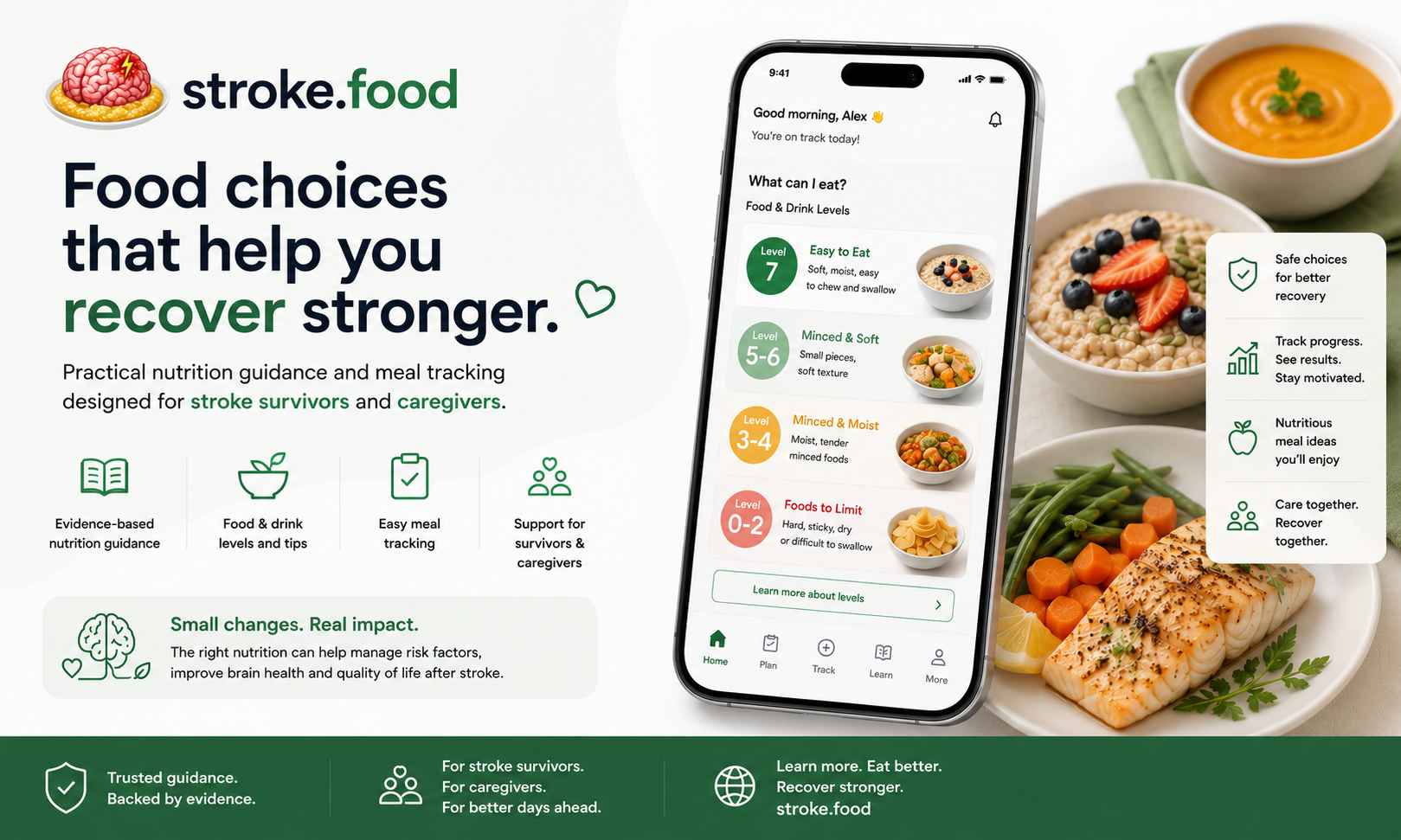
Eat safely. Live better.
The dysphagia-aware food & diet companion for stroke survivors and their care teams.
- Follow your IDDSI levels with confidence
- Find safe foods, get recipe & prep guidance
- Track nutrition, hydration & progress
Educational support. Not a substitute for professional advice.


Trusted by care teams and families
IDDSI aligned
Food & drink levels 3–7 & 0–4
Evidence based
Guidance from leading health organizations
Care team ready
Share plans with SLPs, nurses & caregivers
Privacy first
No personal data shared by default
Easy to use
Designed for everyday life
How stroke.food works
Simple steps to make every meal safer.
Tell us your plan
Set your IDDSI food & drink levels and a few preferences.
Find or scan food
Search foods, scan menus, or add your favorites.
Get instant results
We classify and show safe, caution, or avoid with reasons.
Make it compliant
Get step-by-step instructions to make it IDDSI-compliant.
Log & track
Quickly log meals, calories, hydration & progress.
Improve over time
Personalized insights help you eat safely and feel better.
IDDSI Food & Drink Levels Guide
We follow the IDDSI framework to help you choose the right texture and thickness.
Food Levels
What it means
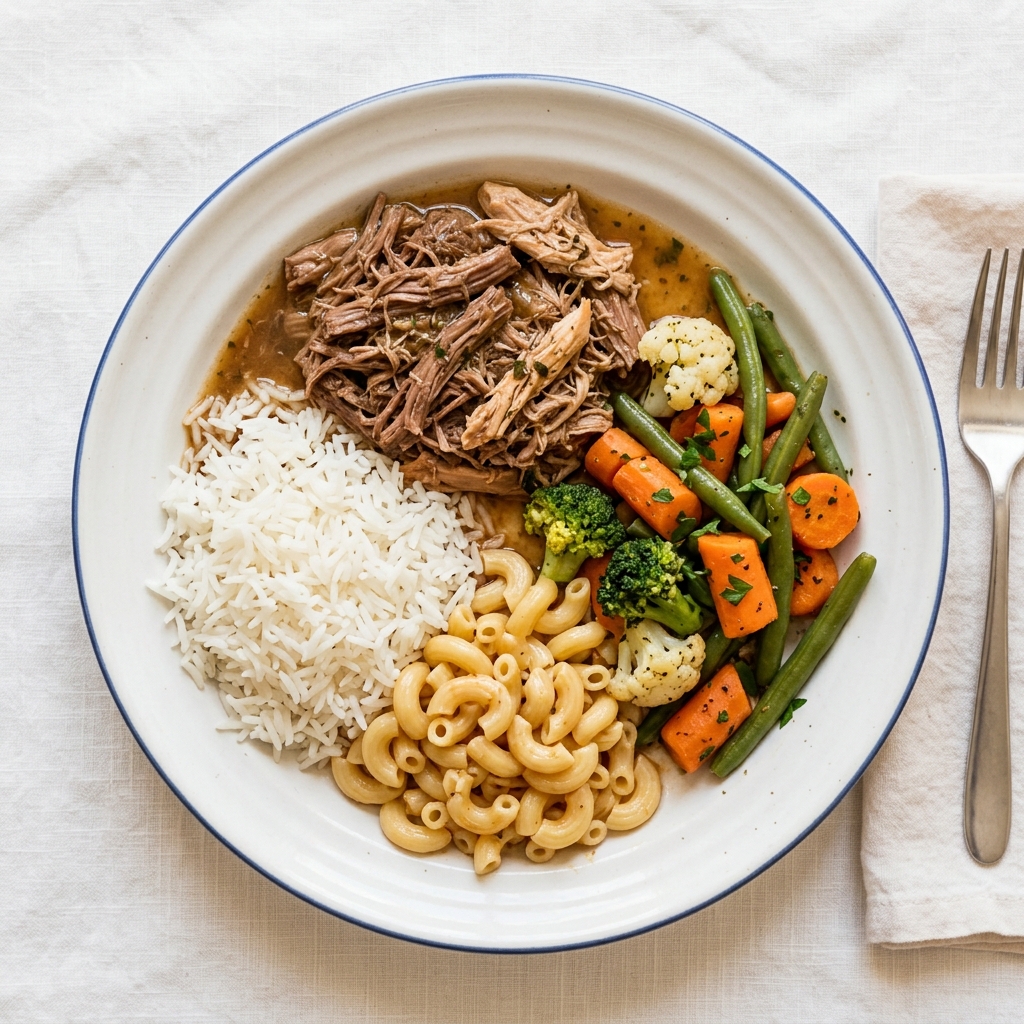
7
Easy to Chew
Normal everyday foods of tender, soft texture. Requires chewing.
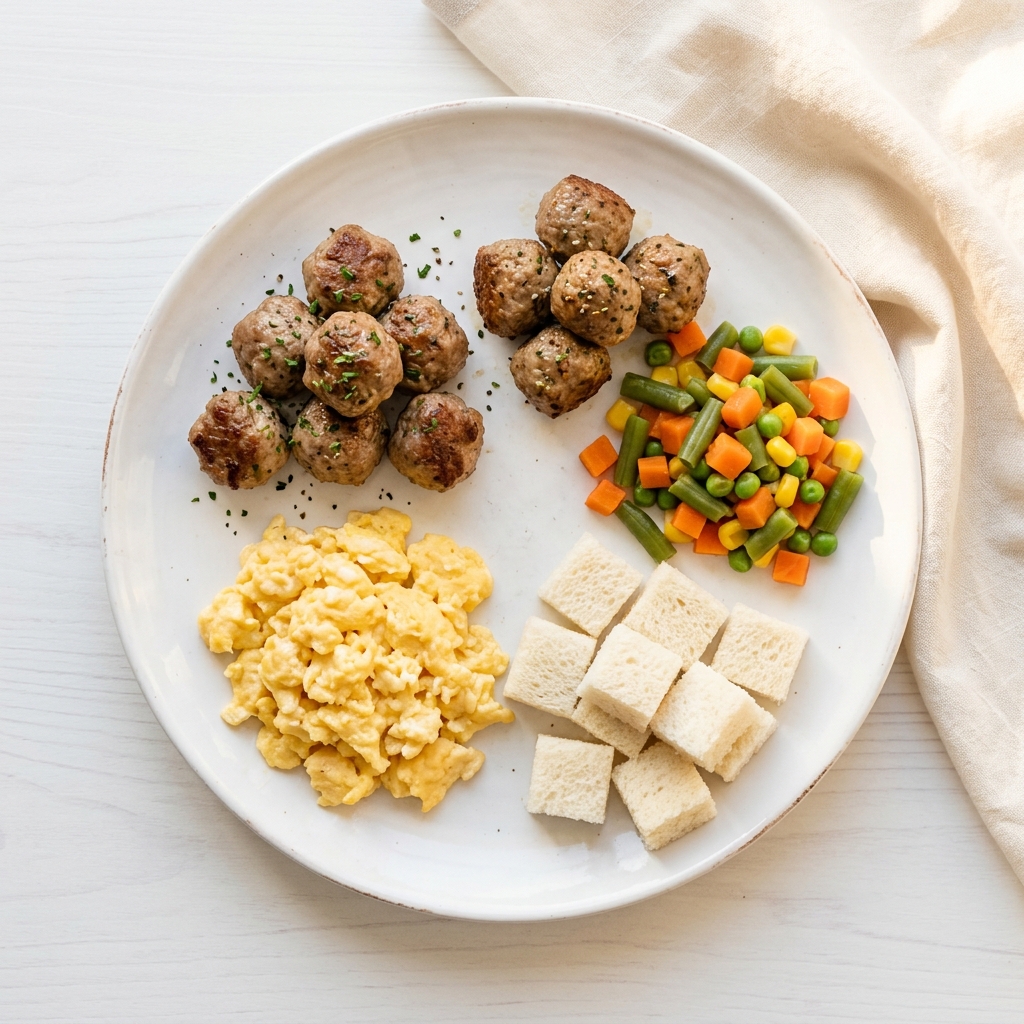
6
Soft & Bite-Sized
Foods that can be chewed and mashed with the tongue. No tough or crunchy bits.
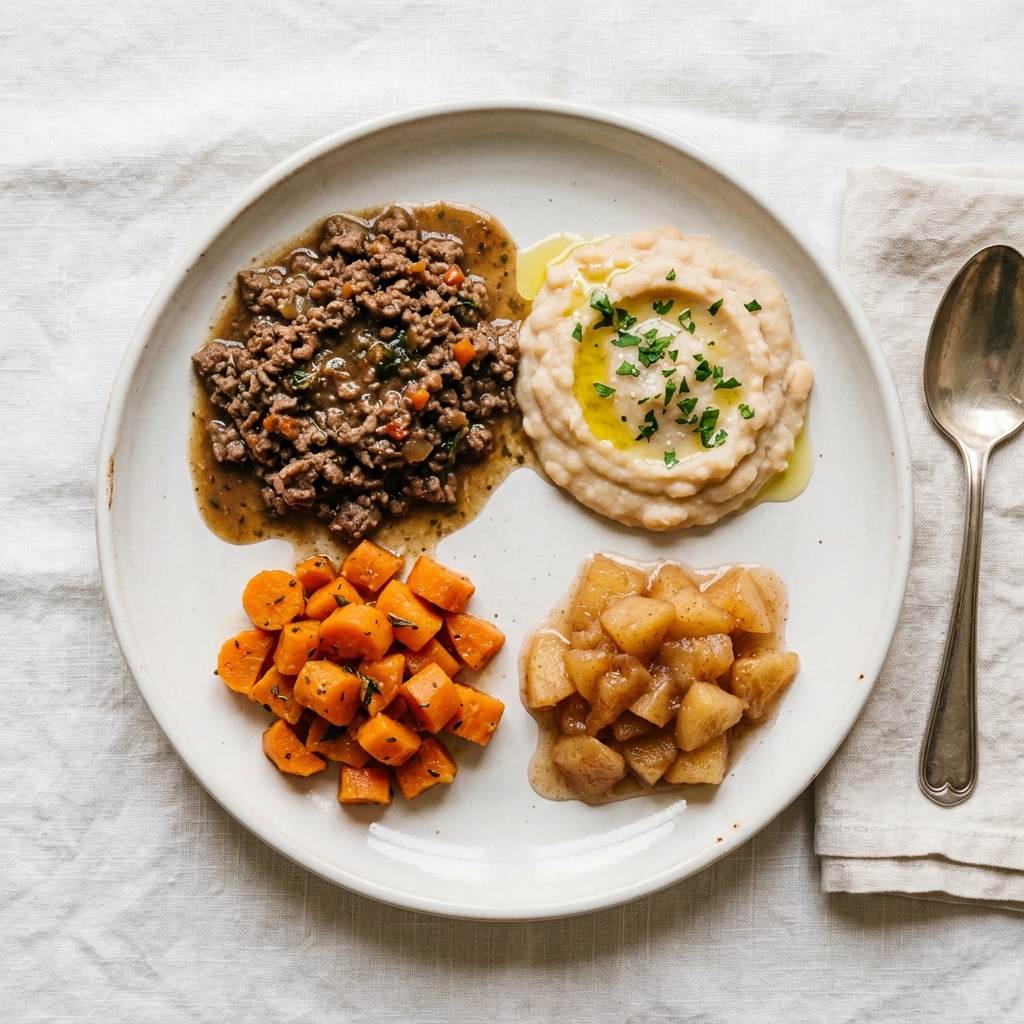
5
Minced & Moist
Small, moist pieces that are easy to chew and swallow.
4
Pureed
Smooth, no lumps. Pudding-like texture. Holds shape on a spoon.
3
Liquidised
Smooth, pourable, no chewing required. Cannot hold shape on a spoon.
Visual
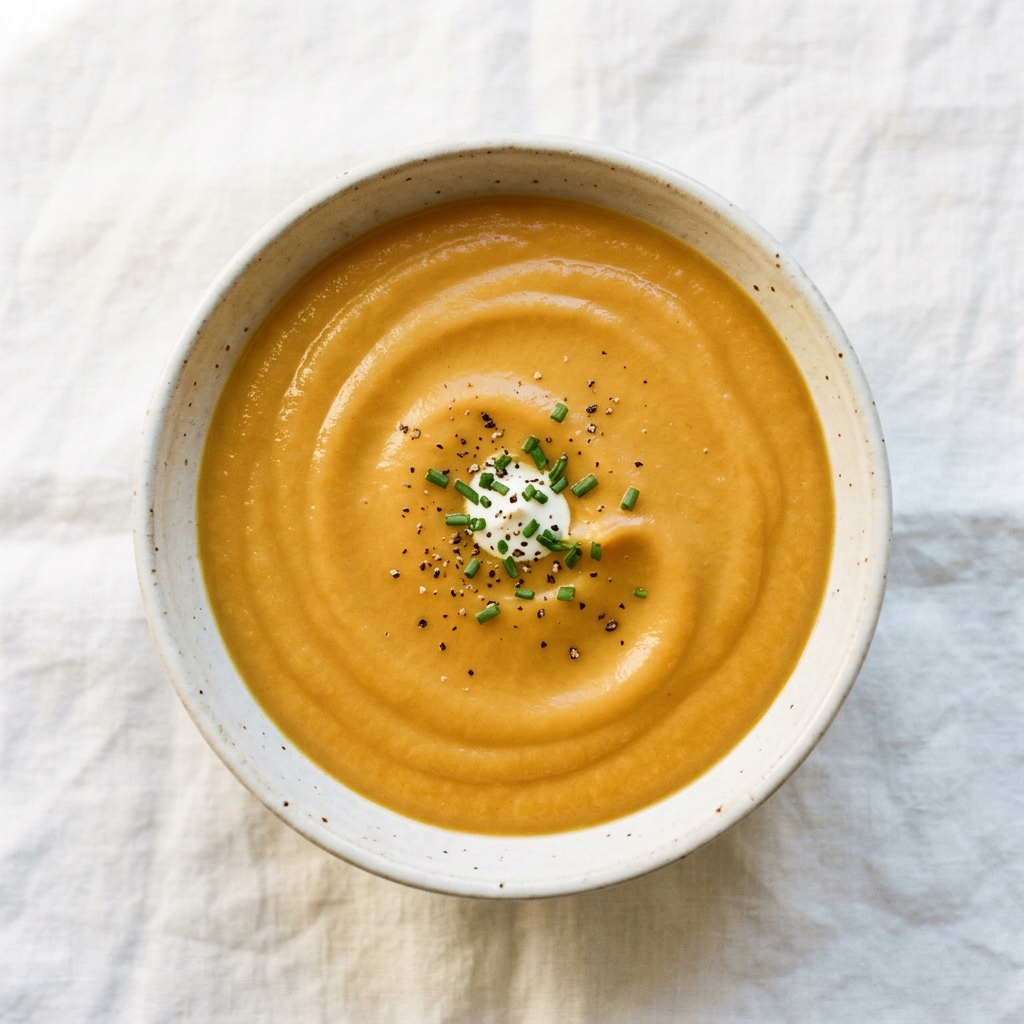
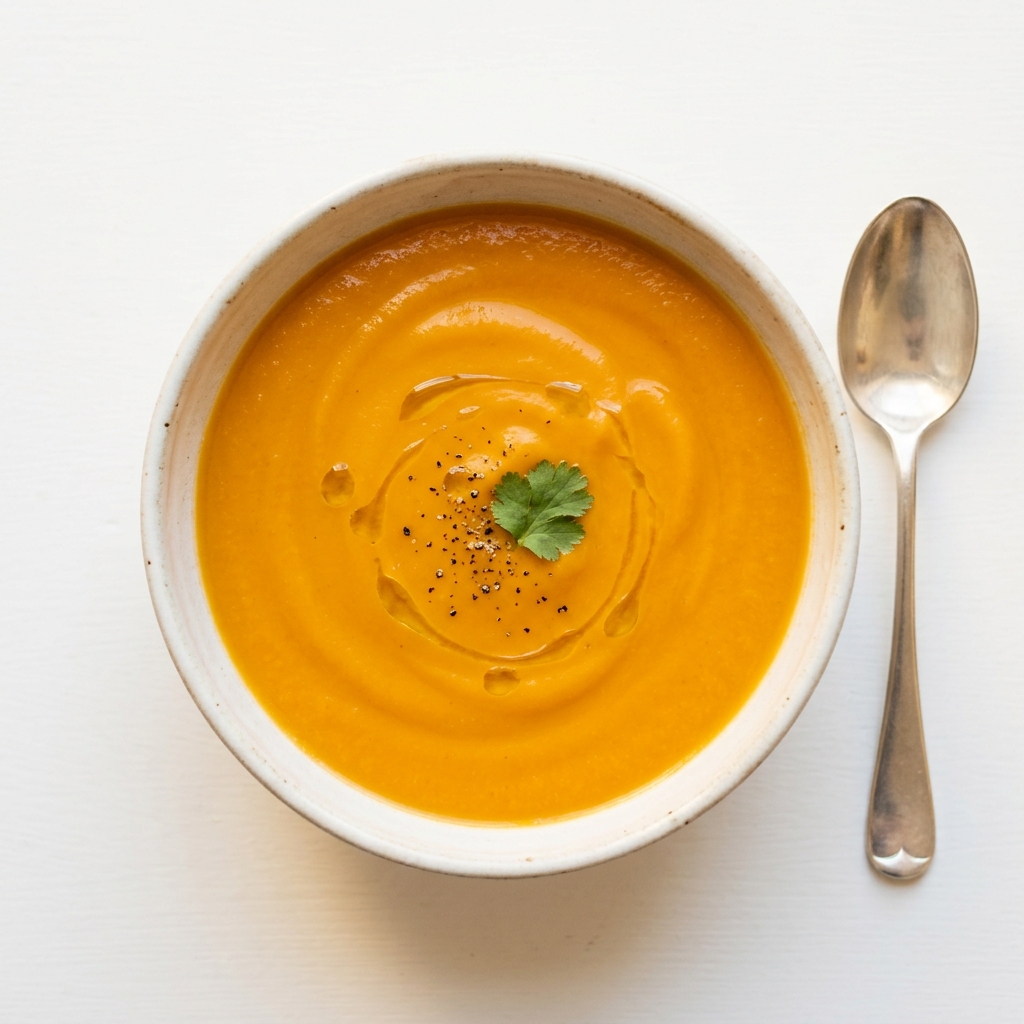
Examples
- •Tender cooked meat
- •Soft cooked vegetables
- •Rice, pasta
- •Soft fruits (banana)
- •Meatballs
- •Soft bread (no crust)
- •Cooked veggies
- •Scrambled egg
- •Minced meat with gravy
- •Soft fish flakes
- •Moist mashed beans
- •Soft cooked fruit
- •Pureed soup
- •Mashed potatoes (smooth)
- •Pureed fruits
- •Smooth yogurt
- •Thin pureed soup
- •Smooth smoothies (strained)
- •Liquidised meals
Not suitable
- •Hard, crunchy foods
- •Tough, chewy meats
- •Dry foods
- •Hard or crunchy
- •Sticky or chewy
- •Dry, crumbly foods
- •Large pieces
- •Mixed textures
- •Dry foods
- •Lumpy or chunky
- •Fibrous pieces
- •Thin liquids
- •Any lumps
- •Thick textures
- •Chunky foods
Drink Levels
How thick should liquids be?
0
Thin
Flows like water
1
Slightly Thick
Slightly thicker than water
2
Mildly Thick
Flows off a spoon
3
Moderately Thick
Flows off spoon slowly
4
Extremely Thick
Spoon thick, no flow
Visual
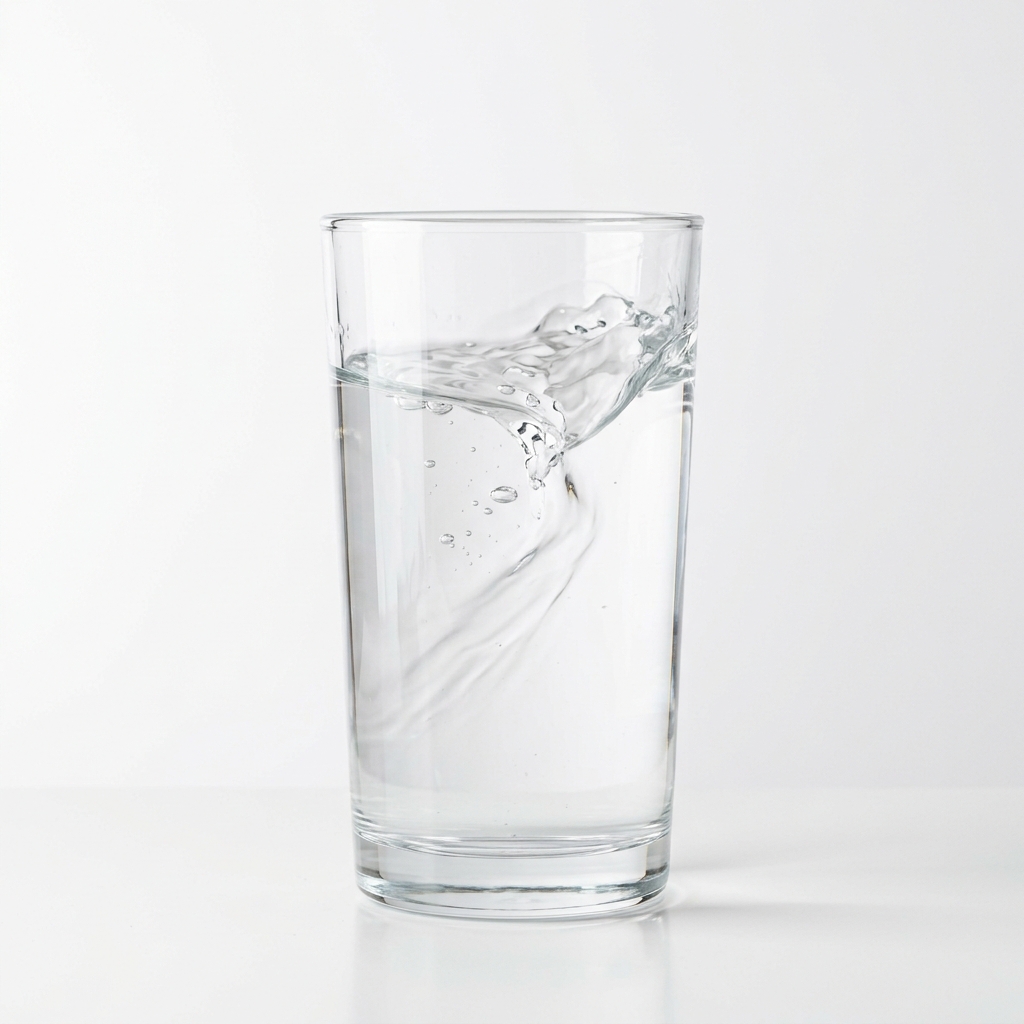
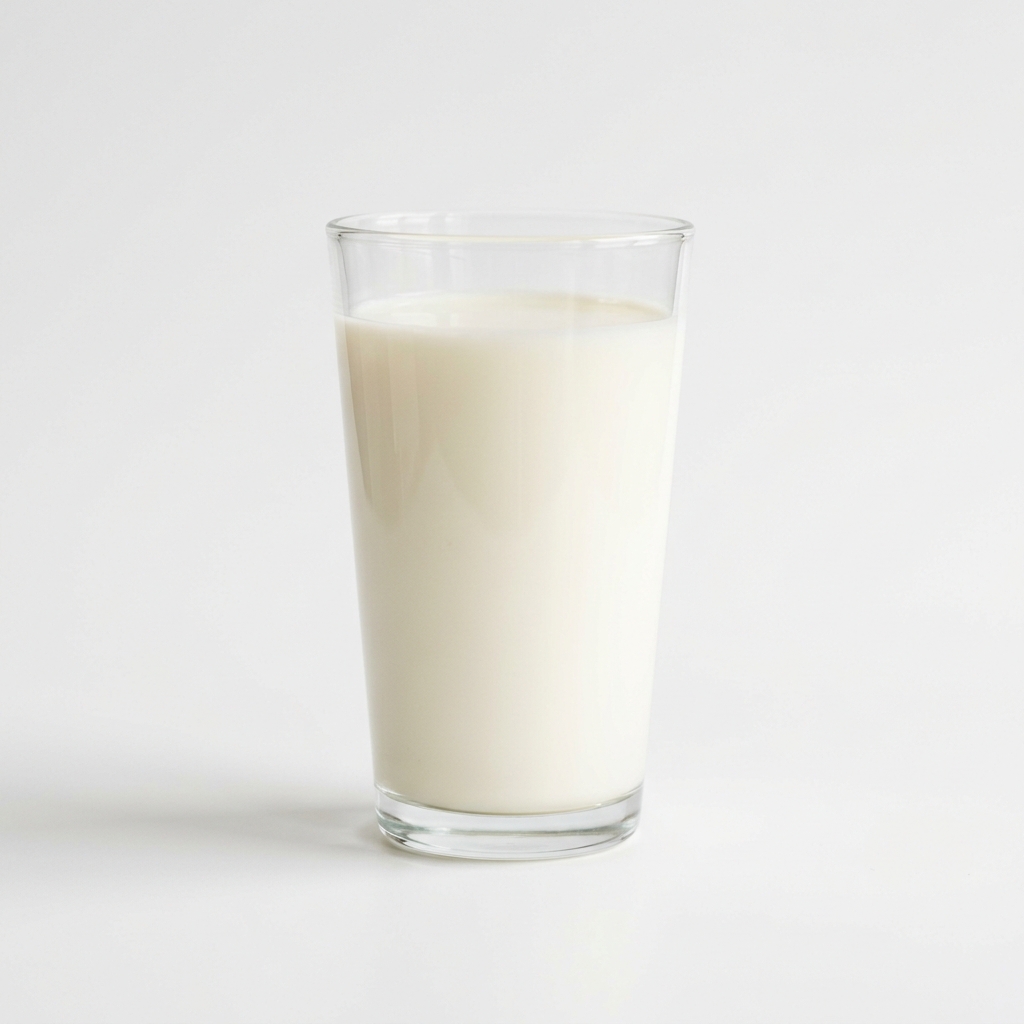
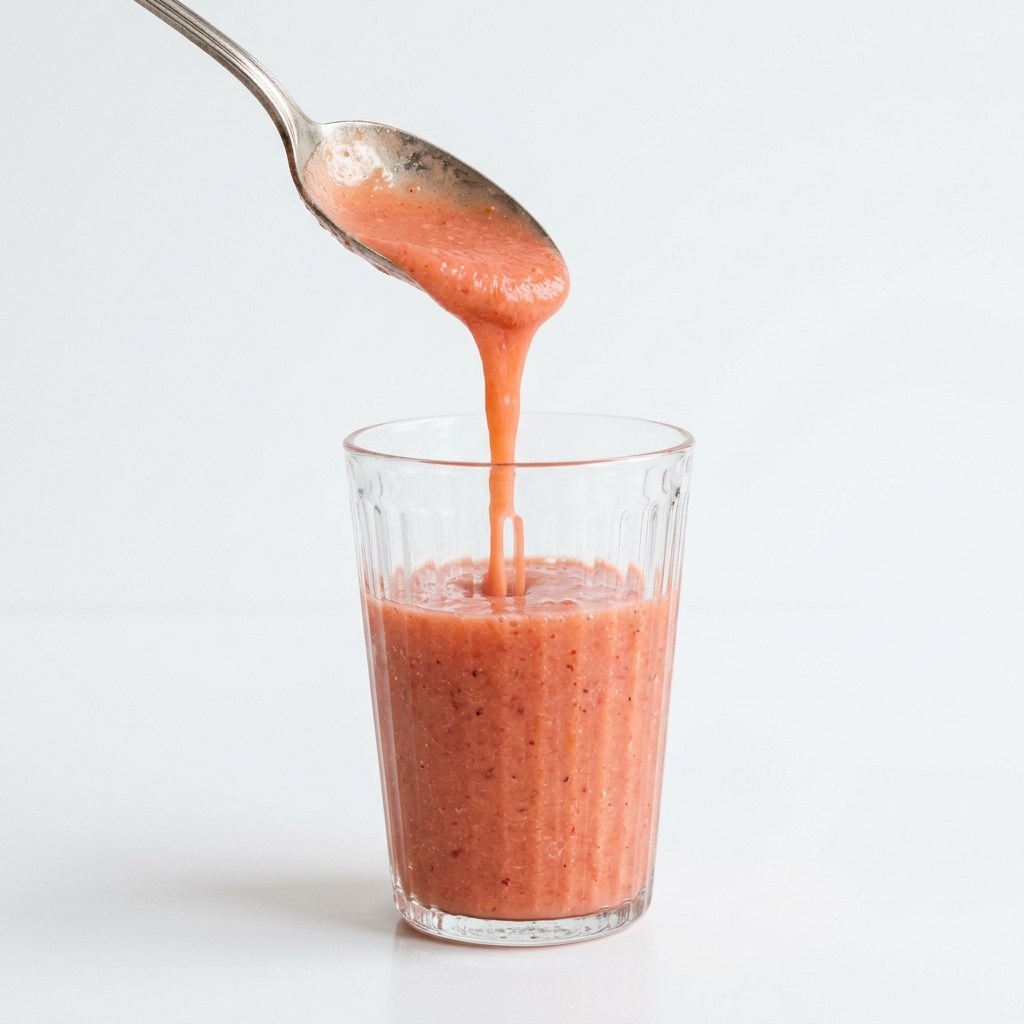
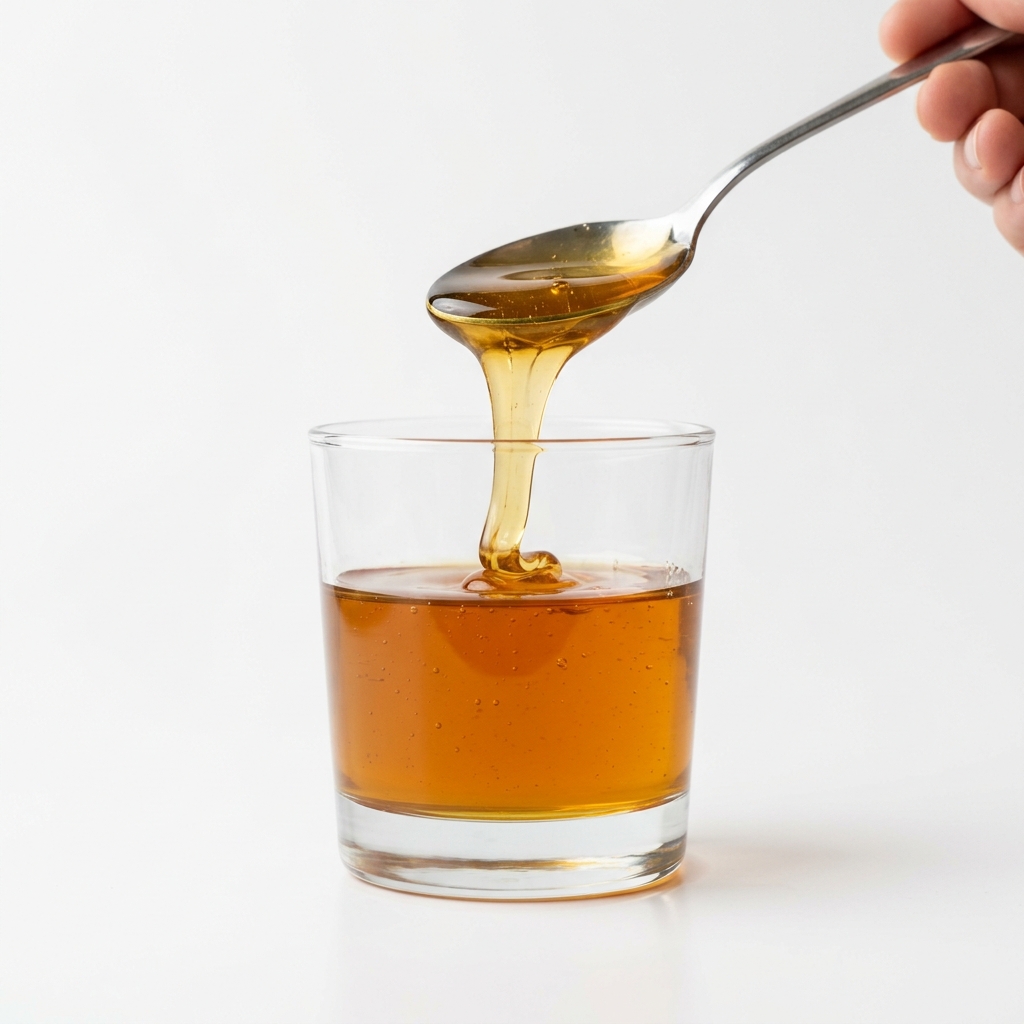
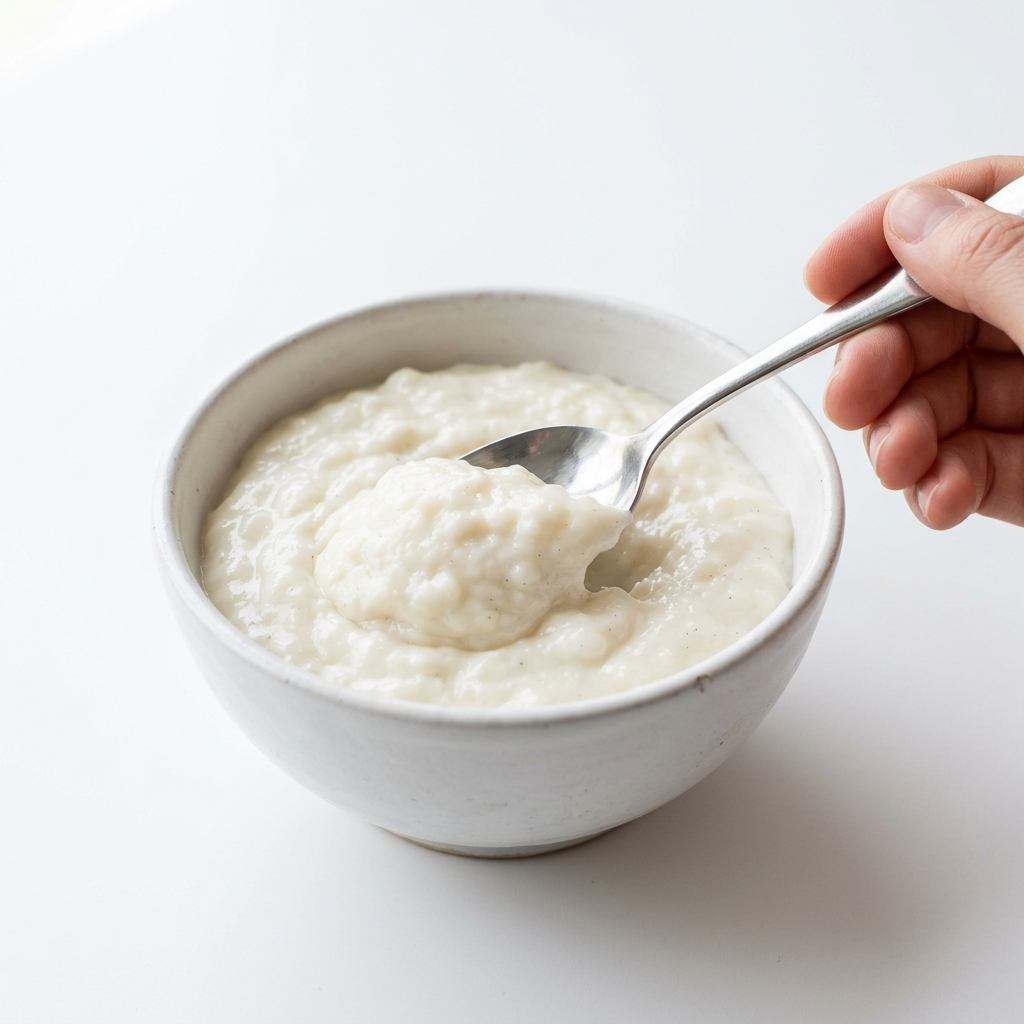
Examples
- •Water
- •Tea, coffee
- •Juice (no pulp)
- •Milk
- •Nutritional drinks
- •Thin smoothies
- •Fruity nectars
- •Thicker smoothies
- •Soup (thickened)
- •Honey consistency
- •Spoon-thick drinks
- •Thickened soup
- •Pudding
- •Extremely thick supplements
Always follow your clinician's prescribed levels. When in doubt, choose the safer option.
Dysphagia After Stroke: The Impact
Dysphagia is common and can lead to serious complications.
~46.6%
of stroke survivors experience dysphagia.
Source: Systematic review & meta-analysis
~3×
higher risk of aspiration pneumonia with dysphagia.
Source: Clinical reviews
2.99×
higher risk of death within 30 days when pneumonia occurs.
Source: Neurology study
62%
of stroke patients may be dehydrated during admission.
Source: AHA Journals
8–34%
risk of malnutrition related to dysphagia.
Source: Evidence summary
Better meals. Safer swallowing. More confidence.
Join families and care teams using stroke.food every day.
No credit card required.